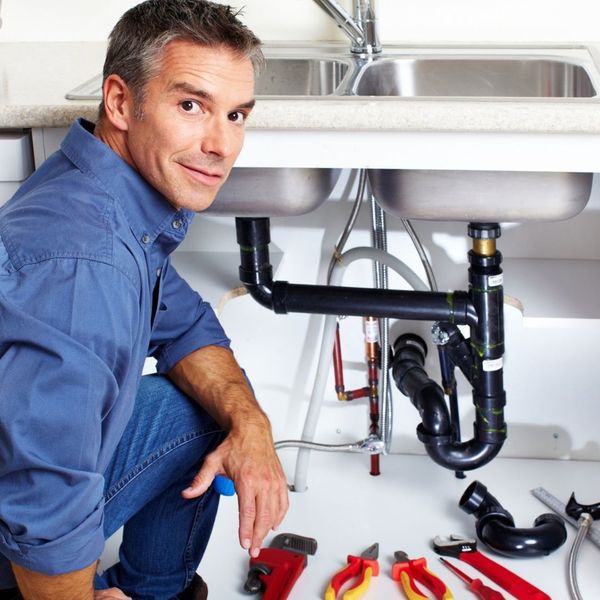
Ever wonder why that bottle of liquid cleaner gets hot when you pour it down a clogged drain? At Line Renewal Technologies, Billings go-to plumbing company, we know that clearing a blockage is more than just "melting" gunk away—it’s a complex chemical battle occurring inside your pipes. Understanding this chemistry helps you make safer choices for your home's plumbing.
Understanding the Chemistry: How Drain Cleaning Solutions Work
Caustic Cleaners and the Power of Lye
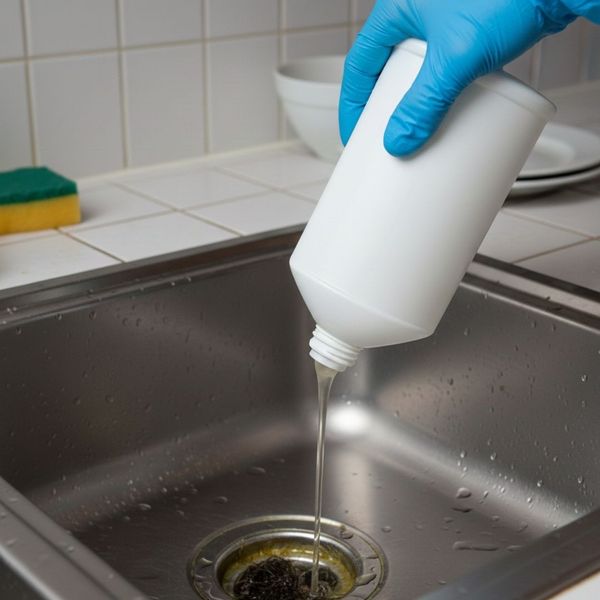
Most store-bought cleaners are caustic, typically containing sodium hydroxide (lye). These bases work through a process called saponification, which literally turns grease and fat into a soap-like substance that dissolves in water. This reaction creates significant heat, which helps liquefy congealed oils and wax, clearing the path for water to flow again.
Oxidizing Agents for Organic Blockages
Oxidizing cleaners use chemicals like bleach (sodium hypochlorite) or nitrates. These work by "stealing" electrons from organic matter, breaking the molecular bonds of hair, food particles, and mold. This process releases gas and heat to physically push through the blockage. While effective on hair, these powerful oxidizers can be harsh on older metal pipes and seals.
The Risks of Chemical Heat and Corrosion
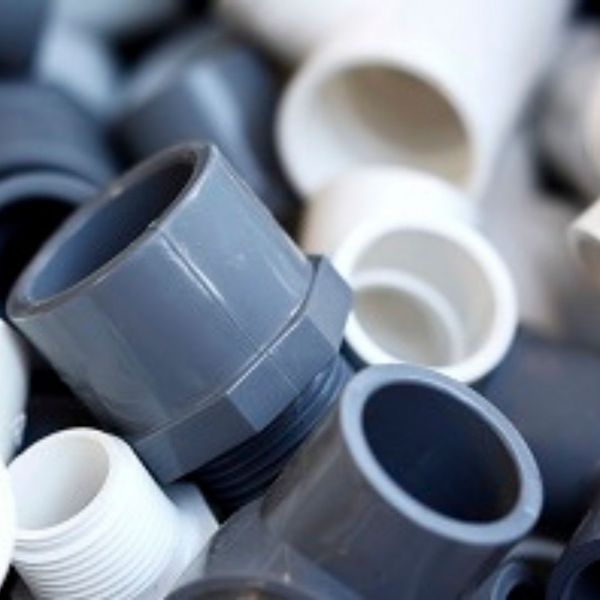
The very heat that melts grease can also be a plumber’s nightmare. Plumbing companies like ours often see PVC pipes that have softened or warped due to the intense exothermic reactions of chemical cleaners. Furthermore, if the cleaner doesn't clear the clog, it sits in your pipes as a highly corrosive, boiling liquid.
Safer Alternatives for Professional Results
For clogged drains, mechanical methods are often superior to chemicals. Enzymatic cleaners use natural bacteria to "eat" organic matter safely, while professional hydro-jetting uses pressurized water to scrub pipe walls without chemical damage. At Line Renewal Technologies, we prioritize drain cleaning methods that clear clogs while protecting the long-term integrity of your plumbing system.
While chemical cleaners offer a quick fix, their aggressive chemistry can lead to unintended damage. Knowing how these solutions interact with your pipes is the first step in responsible home maintenance. If a stubborn clog won't budge, don't risk your pipes with more chemicals. Contact the pros at LRT for a safe drain cleaning solution!